2026 OCD Therapy Journal Kdp: A Comprehensive Tool for Managing Obsessive-Compulsive Disorder
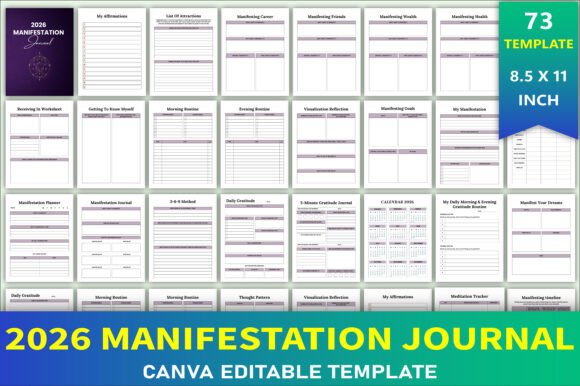
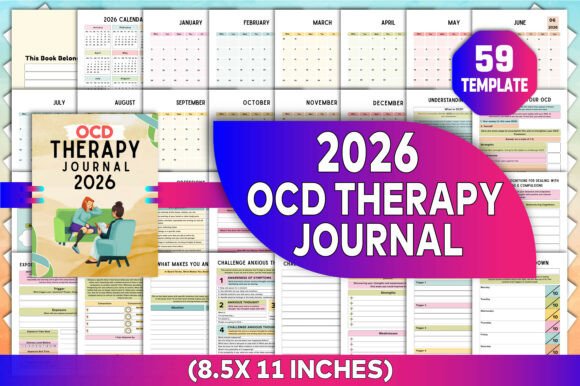
The 2026 OCD Therapy Journal Kdp is more than just a journal—it's a meticulously designed resource that empowers individuals and professionals alike to navigate the complexities of obsessive-compulsive disorder (OCD). This print-ready interior template, available through KDP Creations with customizable Canva Templates, offers a structured yet flexible approach to tracking thoughts, managing compulsions, and fostering recovery. Whether you're a patient seeking self-awareness or a therapist looking for a reliable tool to support your clients, this journal provides an invaluable framework for understanding and addressing OCD.
Understanding the Structure of the 2026 OCD Therapy Journal Kdp
The 2026 OCD Therapy Journal Kdp is organized into several key sections, each tailored to address different aspects of OCD management. At its core, the journal emphasizes self-reflection, cognitive restructuring, and behavioral strategies. It includes dedicated pages for identifying obsessions, challenging anxious thoughts, and tracking progress over time. The inclusion of customizable templates allows users to tailor the journal to their specific needs, making it adaptable for both personal use and professional settings.
Key Sections Within the Journal
- This Book Belongs To: A simple yet essential page where users can personalize the journal with their name and contact information.
- Understanding OCD: An introductory section that provides foundational knowledge about OCD, helping users recognize symptoms and understand the disorder’s impact on daily life.
- Do You Know Your OCD: A reflective exercise that encourages users to identify their specific triggers and patterns of thought.
- Your OCD Cycle: A visual guide to mapping out the cycle of obsessions and compulsions, offering insight into how these behaviors reinforce one another.
- Obsessions: Two unique pages designed to help users explore and document their intrusive thoughts in detail.
- ACT for OCD: A section dedicated to Acceptance Commitment Therapy, which focuses on mindfulness and acceptance as tools for managing OCD symptoms.
- Restructuring Cognitions: Practical exercises aimed at challenging and reframing negative thought patterns associated with OCD.
- Exposure and Response Prevention (ERP): A core component of OCD treatment, this section guides users through gradual exposure to feared situations while resisting compulsive responses.
- Postpone Your OCD Compulsions: Techniques for delaying compulsive behaviors, helping users build tolerance and reduce the urge to act on intrusive thoughts.
- What Makes You Anxious: A page for identifying and documenting sources of anxiety, allowing users to better understand their emotional triggers.
- Challenge Anxious Thoughts: Two unique pages designed to help users critically evaluate and challenge irrational fears and worries.
- Strengths and Weaknesses: A reflective exercise that encourages users to recognize their personal strengths and areas for growth in managing OCD.
- Your Triggers: A space for listing and analyzing specific situations or stimuli that exacerbate OCD symptoms.
- Break the Week Down: A weekly planner that helps users structure their days around OCD management goals and routines.
- Face Your Fears: A section that supports users in confronting their fears through guided self-exploration and gradual exposure.
- Self-Destructive Coping Strategies: A critical reflection on harmful behaviors that may arise during OCD flare-ups, encouraging healthier alternatives.
- Intrusive Thoughts: A dedicated page for recording and analyzing recurring intrusive thoughts, promoting awareness and acceptance.
- Your OCD Emotions: A space for exploring and expressing the emotional impact of OCD, fostering greater self-awareness.
- Thought Log: A daily log for documenting thoughts, feelings, and reactions to OCD-related experiences.
- Flexible Thinking: Exercises that promote adaptability and resilience in the face of OCD challenges.
- OCD Recovery Tracker: A visual tool for monitoring progress and celebrating milestones in the journey toward recovery.
- Stress Tracker: A page for identifying and managing stress levels, which often contribute to OCD symptoms.
- OCD Daily Observations: A space for reflecting on daily experiences related to OCD, including triggers, responses, and outcomes.
- Reversing Your Habits: A section focused on breaking unhealthy habits associated with OCD, promoting positive behavioral change.
- Habit Tracker: A tool for tracking and reinforcing new, healthier habits that support OCD management.
- Your Goals to Combat OCD: Two unique pages for setting and working toward personal recovery goals.
- Important Dates: A calendar for tracking significant dates related to OCD treatment, such as therapy appointments or medication refills.
- Medication History: A record of prescribed medications, dosages, and any side effects experienced.
- Medication Tracker: A tool for monitoring medication adherence and effectiveness.
- Doctor Visits: A space for noting upcoming or past medical appointments related to OCD care.
- Doctor’s Notes: A section for recording notes from healthcare providers, ensuring continuity of care.
- Pre-Therapy Preparation: Guidance on what to expect during therapy sessions and how to prepare for them effectively.
- Therapy Appointments: A tracker for scheduling and reflecting on therapy sessions.
- Therapy Progress Notes: A space for documenting insights, progress, and challenges during therapy sessions.
The Benefits of Using the 2026 OCD Therapy Journal Kdp
The 2026 OCD Therapy Journal Kdp offers a range of benefits that make it a valuable resource for both individuals and professionals. Its structured format promotes consistency in self-monitoring, which is crucial for effective OCD management. The inclusion of therapeutic techniques such as ERP and ACT ensures that users have access to evidence-based strategies that are widely recognized in clinical practice.
Additionally, the customizable nature of the journal allows for personalization, making it suitable for a wide variety of users. Whether you’re a student, a professional, or someone simply seeking to improve your mental health, the journal can be adapted to fit your unique needs and preferences. The combination of practical exercises, reflective prompts, and tracking tools makes it an ideal companion for anyone on the path to recovery.
Who Can Benefit from the 2026 OCD Therapy Journal Kdp?
The 2026 OCD Therapy Journal Kdp is designed for a broad audience, including individuals living with OCD, mental health professionals, educators, researchers, and even hobbyists interested in self-improvement. For individuals, the journal serves as a personal tool for managing symptoms and tracking progress. For professionals, it can be used as a supplementary resource in therapy sessions or as a reference for developing personalized treatment plans.
Researchers and educators may find the journal useful for studying OCD behaviors, assessing the effectiveness of various therapeutic approaches, or incorporating it into educational materials. Hobbyists and creators might appreciate the journal’s design and functionality, using it as a source of inspiration for their own projects or publications.
Real-World Applications of the 2026 OCD Therapy Journal Kdp
The practical applications of the 2026 OCD Therapy Journal Kdp extend beyond individual use. In a professional setting, therapists can incorporate the journal into their practice by using it as a tool to guide clients through cognitive-behavioral therapy (CBT) techniques. The journal’s structured format makes it easy to integrate into existing treatment protocols, ensuring that clients receive consistent support and guidance.
For educators, the journal can be used as an educational tool to teach students about mental health, coping strategies, and the importance of self-care. By incorporating the journal into classroom activities or homework assignments, educators can help students develop a deeper understanding of OCD and its management.
Creators and designers may also find value in the journal’s customizable templates, using them as a foundation for developing their own content or products. The ability to modify and adapt the journal’s layout and content opens up new possibilities for innovation and creativity in the field of mental health resources.
Considerations for Using the 2026 OCD Therapy Journal Kdp
While the 2026 OCD Therapy Journal Kdp is a powerful tool, it is important to consider certain factors before using it. First and foremost, the journal should be used in conjunction with professional guidance, especially for individuals experiencing severe OCD symptoms. While the journal provides valuable self-help resources, it is not a substitute for therapy or medical treatment.
Additionally, users should be mindful of the emotional impact of documenting their thoughts and experiences. The journal can be a source of both empowerment and distress, depending on how it is used. It is essential to approach the journal with a balanced perspective, using it as a tool for growth rather than a means of self-criticism.
Finally, the journal’s effectiveness depends on the user’s commitment to regular use and engagement. Like any therapeutic tool, the 2026 OCD Therapy Journal Kdp requires active participation and dedication to see meaningful results. Consistency in tracking thoughts, practicing cognitive restructuring, and engaging in ERP exercises will significantly enhance its impact.
Conclusion
The 2026 OCD Therapy Journal Kdp is a comprehensive and versatile resource that offers a structured yet flexible approach to managing obsessive-compulsive disorder. With its wide range of features, including therapeutic exercises, tracking tools, and customizable templates, the journal caters to a diverse audience, from individuals seeking self-awareness to professionals providing support. By integrating evidence-based strategies into a user-friendly format, the journal empowers users to take control of their mental health and work toward long-term recovery. Whether used as a personal tool or a professional resource, the 2026 OCD Therapy Journal Kdp stands as a testament to the power of self-directed healing and therapeutic innovation.