Farm Expenses and Income Record Book
In the world of agriculture, where every decision can impact profitability and sustainability, having a reliable system to track financial activities is essential. A Farm Expenses and Income Record Book serves as a cornerstone for effective farm management. It allows farmers to maintain detailed records of their monthly expenses and income, ensuring transparency and control over their financial health.
The Importance of Financial Tracking in Farming
Whether you're running a small family farm or managing a large-scale agricultural enterprise, keeping accurate financial records is not just a best practice—it's a necessity. With fluctuating market prices, unpredictable weather conditions, and rising operational costs, it's crucial to have a clear overview of your financial inflows and outflows.
A well-structured record book helps in identifying cost-saving opportunities, planning for future investments, and making informed decisions. It also plays a vital role in securing loans or grants, as lenders and grant providers often require detailed financial documentation.
What Makes a Good Farm Record Book?
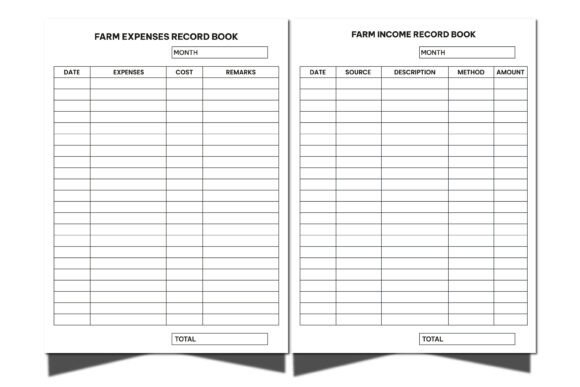
A good Farm Expenses and Income Record Book should be clean, organized, and easy to use. It typically includes separate sheets for tracking expenses and income, each with clearly defined columns such as dates, costs, sources, descriptions, methods, amounts, and remarks. This level of detail ensures that every transaction is accounted for and easily retrievable when needed.
By maintaining such a record, farmers can quickly identify patterns in their spending and revenue streams. For instance, if there's a recurring expense related to machinery maintenance, this can be flagged and addressed proactively. Similarly, tracking income sources can help in diversifying revenue streams and reducing dependency on a single product or market.
How Modern Trends Influence Farm Financial Management
As technology continues to evolve, so do the tools available for managing farm finances. While traditional paper-based record books are still widely used, many farmers are now turning to digital solutions for greater efficiency and accessibility. However, the value of a physical Farm Expenses and Income Record Book remains significant, especially for those who prefer a tangible, hands-on approach to record-keeping.
Moreover, the growing emphasis on sustainability and precision agriculture has led to an increased need for detailed financial data. Farmers are more conscious than ever about the environmental and economic impact of their operations, making accurate record-keeping an integral part of their strategy.
Practical Benefits of Using a Clean and Organized Template
A clean and organized template simplifies the process of recording and analyzing financial data. It reduces the risk of errors and ensures consistency in how information is recorded. This is particularly important for larger farms that deal with multiple income streams and expenses across different departments or locations.
For example, a farmer might use one sheet to track seed and fertilizer costs, another for equipment rentals, and yet another for labor expenses. Each sheet can be color-coded or labeled to enhance readability and quick reference. This level of organization not only saves time but also improves accuracy in financial reporting.
Key Features of an Effective Farm Record Book
- Separate Expense and Income Sheets: Keeping expenses and income in distinct sections helps in maintaining clarity and focus.
- Date Columns: Recording the date of each transaction ensures timely tracking and analysis.
- Cost and Amount Fields: These provide the necessary numerical data for budgeting and forecasting.
- Sources and Descriptions: Detailed descriptions allow for better categorization and understanding of each entry.
- Methods and Remarks: Including the payment method and any additional notes adds context and depth to the records.
Ready to Print and Easy to Use
The Farm Expenses and Income Record Book comes in a ready-to-print format, making it convenient for farmers who prefer a physical copy. The 180-page PDF ensures that there is ample space for recording data over an extended period. This is especially useful for long-term planning and historical analysis.
The template is designed with user-friendliness in mind. Its structured layout and intuitive design make it accessible even for those who are not familiar with complex accounting practices. Whether you're a hobbyist farmer or a professional agribusiness owner, this record book offers a practical solution for managing your finances effectively.
Real-World Applications and Recommendations
Consider a scenario where a farmer is preparing for the next planting season. By reviewing the previous year's records, they can identify which crops were most profitable and which inputs were most expensive. This insight can guide their purchasing decisions and help them allocate resources more efficiently.
Additionally, the record book can be used to monitor seasonal trends. For instance, tracking income from crop sales during different months can reveal peak periods and help in planning marketing strategies accordingly. This kind of data-driven approach can significantly enhance a farmer's ability to adapt to market changes and optimize their operations.
Tips for Maximizing the Value of Your Record Book
- Consistency is Key: Make it a habit to update your records regularly, ideally at the end of each month.
- Review and Analyze: Set aside time to review your records periodically to identify trends and areas for improvement.
- Use Technology Wisely: Consider using spreadsheet software or accounting apps to complement your physical record book for enhanced data management.
- Stay Organized: Keep your record book in a secure location and label pages clearly for easy access.
- Share When Necessary: If you're working with partners or investors, ensure your records are up-to-date and well-documented.
Conclusion
A Farm Expenses and Income Record Book is more than just a tool for tracking numbers—it's a strategic asset for any farmer. By providing a clear, organized way to manage financial data, it supports informed decision-making, enhances operational efficiency, and contributes to long-term success in agriculture. Whether you choose a physical template or a digital version, investing in a reliable record-keeping system is a step toward sustainable and profitable farming.