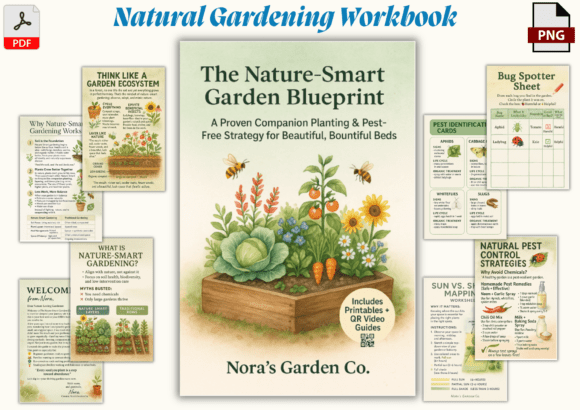
The Nature-Smart Garden Workbook: A Strategic Tool for Sustainable Gardening
For anyone looking to transform their outdoor space into a thriving, eco-friendly haven, The Nature-Smart Garden Workbook offers more than just a collection of gardening tips—it provides a structured, thoughtfully designed framework for sustainable growth. Whether you're an urban grower with limited space or a homesteader with acres to manage, this 26-page workbook is a valuable resource that aligns with the principles of nature rather than against them.
What Is The Nature-Smart Garden Workbook?
The Nature-Smart Garden Workbook is a beautifully illustrated printable guide designed to help gardeners of all experience levels create a balanced, pest-free, and pollinator-friendly environment. Its vertical watercolor-style pages are not only visually appealing but also serve as a practical tool for planning and tracking your garden throughout the seasons.
Inside, you'll find companion planting layouts, pollinator-friendly flower designs, climate-specific planting calendars, and kid-friendly activities that make gardening an engaging and educational experience for the whole family. With its combination of natural strategies and actionable steps, the workbook is ideal for those who want to grow smarter—not harder.
Strategic Use of The Nature-Smart Garden Workbook
Using The Nature-Smart Garden Workbook strategically can significantly enhance your gardening outcomes. For instance, the companion planting layering layouts help you maximize space and naturally deter pests without relying on chemical interventions. This approach supports long-term results by fostering a self-sustaining ecosystem in your garden.
Additionally, the workbook includes a 30-day garden challenge that encourages consistent action and mindset shifts. By breaking down the process into manageable steps, it helps users build habits that lead to lasting success. For professionals or entrepreneurs, this could translate into better productivity and stronger branding through a commitment to sustainability and education.
Planning and Positioning with The Nature-Smart Garden Workbook
One of the most powerful aspects of The Nature-Smart Garden Workbook is its emphasis on planning. The climate zone planting calendars allow users to tailor their gardens to local conditions, ensuring that each plant has the best chance of thriving. This level of customization is crucial for achieving specific goals, whether they be food production, biodiversity, or aesthetic appeal.
Moreover, the printable garden journal trackers enable users to monitor progress over time. This feature is especially useful for educators or small business owners who may use the workbook as part of a broader initiative to promote environmental awareness or community engagement. By documenting successes and challenges, users can refine their strategies and communicate more effectively with stakeholders.
Use Cases and Practical Examples
The Nature-Smart Garden Workbook is versatile enough to fit into a variety of scenarios. For example, an urban grower might use the companion planting layouts to design a balcony garden that maximizes yield while minimizing maintenance. A homesteader could leverage the pollinator design pages to attract bees and butterflies, which in turn support crop pollination and biodiversity.
For families, the kid-friendly bug ID activities offer an opportunity to teach children about the natural world in a hands-on way. This not only fosters a love for gardening but also promotes eco-conscious values from an early age. Educators and hobbyists alike can benefit from these interactive elements, making the workbook a valuable tool for both personal and professional development.
Decision-Making and Long-Term Value
When considering how to use The Nature-Smart Garden Workbook, it's important to think beyond immediate results and focus on long-term value. The workbook's structured approach encourages intentional decision-making, helping users avoid common pitfalls such as overplanting or neglecting soil health.
For instance, the seasonal plans provided in the workbook help users stay organized and prepared throughout the year. This foresight can lead to more efficient resource management and better outcomes, whether you're growing vegetables, herbs, or ornamental plants. By aligning your efforts with natural cycles, you create a garden that works with nature rather than against it.
Considerations Before Relying on The Nature-Smart Garden Workbook
While The Nature-Smart Garden Workbook is a comprehensive resource, it's important to approach it with clear goals and context. Without a defined purpose, the information can become overwhelming or misaligned with your needs. For example, if your primary objective is to produce a large quantity of vegetables, the pollinator design pages may not be as relevant as the companion planting layouts.
Additionally, the workbook is designed for use with a mindset of patience and observation. It’s not a quick fix but rather a long-term investment in sustainable practices. Users should be prepared to adapt and refine their strategies based on real-world feedback and changing conditions.
Risks of Using The Nature-Smart Garden Workbook Without Clear Goals
Using The Nature-Smart Garden Workbook without a clear understanding of your goals can lead to inefficiencies or even setbacks. For instance, following the 30-day challenge without aligning it with your specific objectives might result in wasted time or resources. Similarly, implementing companion planting without considering your garden's unique layout or climate could lead to poor results.
To avoid these risks, it's essential to start by defining what you hope to achieve with your garden. Are you looking to grow food sustainably, attract pollinators, or educate children? Once you have a clear vision, the workbook becomes a powerful tool for turning that vision into reality.
Intentional Use for Maximum Impact
The key to unlocking the full potential of The Nature-Smart Garden Workbook lies in using it intentionally. This means approaching each section with a purpose and integrating the strategies into your existing practices. For example, the printable garden journal can be used to track not just plant growth but also the effectiveness of different techniques, allowing for continuous improvement.
By treating the workbook as a living document rather than a static guide, users can adapt its content to their specific needs and circumstances. This flexibility ensures that the workbook remains relevant and useful over time, supporting both short-term achievements and long-term sustainability.
Conclusion
The Nature-Smart Garden Workbook is more than just a gardening guide—it's a strategic tool that empowers users to grow in harmony with nature. Whether you're a beginner or an experienced gardener, the workbook offers a wealth of knowledge and practical insights that can enhance your gardening journey. By using it intentionally and aligning it with your goals, you can create a thriving, sustainable garden that benefits both you and the environment.