Distressed Paper for Designers and Creators: A Comprehensive Guide
In the world of design, creativity, and digital art, distressed paper has become a go-to resource for those looking to add character, texture, and vintage charm to their projects. Whether you're a graphic designer, a student, or an independent creator, understanding what distressed paper is and how it can be used can elevate your work significantly.
What Is Distressed Paper?
Distressed paper refers to paper that has been intentionally aged, torn, or worn to give it a weathered, antique appearance. This type of paper is often used in scrapbooking, bookbinding, greeting cards, and digital design to create a sense of nostalgia and authenticity.
There are several types of distressed paper available on the market, each with its own unique characteristics:
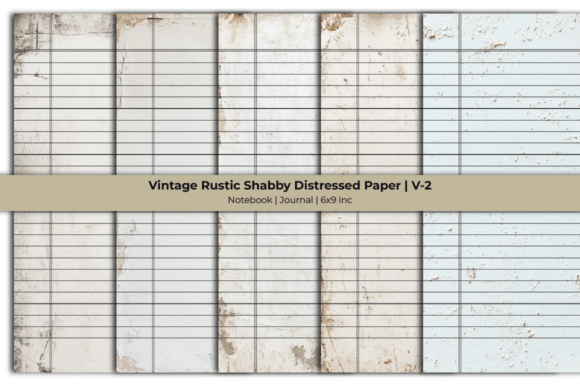
- Vintage Rustic Shabby Distressed Paper: This type of paper mimics the look of old, well-loved documents, complete with yellowing, creases, and subtle imperfections.
- Lined Paper: Often used in stationery and note-taking, lined paper with a distressed finish adds a rustic feel to everyday writing tasks.
- Old Book Paper: This type of paper is typically thick and textured, ideal for creating handmade journals, invitations, and other artisanal projects.
Why Use Distressed Paper?
Distressed paper is more than just a decorative element—it's a versatile tool that can enhance both the aesthetic and functional aspects of your work. Here are some reasons why creators and designers choose distressed paper:
- Unique Visual Appeal: Distressed paper adds character and depth to any project, making it stand out from mass-produced materials.
- Emotional Connection: The aged look of distressed paper evokes feelings of nostalgia, history, and authenticity, which can be powerful in storytelling and branding.
- Practicality: It’s perfect for use in creative fields such as graphic design, illustration, and printmaking, where texture and visual interest are key.
- Cost-Effective: Since distressed paper is often created digitally, it offers a budget-friendly alternative to physical vintage items.
Types of Distressed Paper Available
When shopping for distressed paper, you’ll find a variety of options tailored to different needs and applications. Some of the most popular types include:
Vintage Rustic Shabby Distressed Paper
This type of paper is designed to mimic the look of old, handcrafted documents. It often features a soft, yellowed texture with faint creases and blemishes that give it a lived-in feel. It's particularly popular among artists and designers who want to create a sense of history and warmth in their work.
Lined Paper
Lined paper is commonly used for writing and note-taking, but when distressed, it becomes a powerful design element. Distressed lined paper can be used in bullet journals, planners, and even as background elements in digital designs.
Volume-2 Vintage Rustic Shabby Distressed Paper
This collection includes multiple variations of distressed paper, each with its own unique texture and color palette. It's ideal for those who want a wide range of options to choose from when working on creative projects.
How to Use Distressed Paper in Your Projects
Distressed paper can be incorporated into a wide range of creative projects. Here are a few practical ways to use it:
- Scrapbooking: Use distressed paper as backgrounds, borders, or page mats to add a vintage touch to your scrapbook pages.
- Graphic Design: Incorporate distressed paper textures into digital designs, such as social media graphics, posters, and web banners.
- Bookbinding: Distressed paper is a great choice for handmade books, journals, and zines due to its durability and aesthetic appeal.
- Invitations and Cards: Create custom wedding invitations, birthday cards, or thank-you notes using distressed paper for a personalized and memorable effect.
Choosing the Right Distressed Paper for Your Project
When selecting distressed paper, consider the following factors:
- Purpose: Determine whether you need the paper for a specific project, such as a digital design or a physical craft.
- Texture: Choose a paper with the right level of distressing—some papers may have more pronounced imperfections, while others are subtly aged.
- Color: Consider the color palette of your project and select a distressed paper that complements it.
- Format: Ensure the paper is available in the required format (JPG, PNG, PDF, or source file) for your intended use.
Getting Started with Distressed Paper
If you're new to using distressed paper, there are a few steps you can take to get started:
- Explore Options: Browse through different types of distressed paper to find one that suits your style and project needs.
- Experiment: Try using distressed paper in various ways to see how it enhances your work.
- Practice: Don’t be afraid to make mistakes—distressing paper is all about creating a unique, imperfect look.
- Share: Once you’ve mastered the use of distressed paper, share your creations with others to inspire and connect with fellow creators.
Conclusion
Distressed paper is a valuable resource for anyone looking to add character, texture, and vintage charm to their creative projects. Whether you're a seasoned designer or just starting out, incorporating distressed paper into your work can help you create something truly unique and meaningful. With the right tools, knowledge, and practice, you can unlock the full potential of this versatile material and elevate your creative output to new heights.