The Resilience Workbook: A Comprehensive Guide to Trauma Recovery
In the journey toward emotional healing and trauma recovery, having the right tools can make all the difference. The Resilience Workbook Trauma Recovery is a meticulously crafted resource designed to support individuals navigating the complex landscape of trauma, emotional overwhelm, and inner healing. Whether you're a mental health professional, a survivor, or someone passionate about personal development, this workbook serves as a structured, printable companion that empowers users to take control of their healing process.
What Makes The Resilience Workbook Unique?
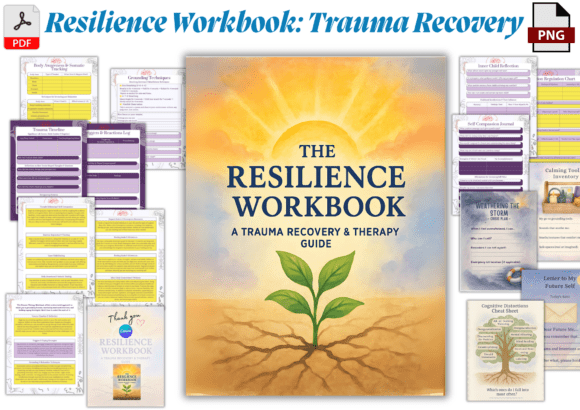
Unlike traditional self-help books, The Resilience Workbook Trauma Recovery offers a therapist-informed approach that blends evidence-based practices with practical exercises. This 131-page PDF is not only visually appealing but also highly customizable, making it an ideal tool for both personal use and professional applications. Its design allows users to edit fonts, colors, and even add logos using Canva, ensuring that the workbook can be tailored to individual or organizational branding needs.
One of the standout features of this workbook is its comprehensive structure. It includes a variety of worksheets and tools designed to address different aspects of trauma recovery, from cognitive restructuring to somatic awareness. Each section is thoughtfully organized to guide users through a step-by-step process of self-exploration and growth.
Cognitive Tools for Emotional Regulation
Emotional regulation is a cornerstone of trauma recovery, and The Resilience Workbook Trauma Recovery provides a range of cognitive tools to help users manage their thoughts and emotions effectively. Thought reframing worksheets allow individuals to challenge negative thinking patterns and replace them with more balanced perspectives. Cognitive distortions cheat sheets serve as quick references, helping users identify and correct common distortions such as catastrophizing or black-and-white thinking.
Additionally, emotion regulation charts offer a visual way to track mood fluctuations over time. These charts are particularly useful for identifying triggers and understanding how different emotions interact. By consistently using these tools, users can develop greater awareness and control over their emotional responses, leading to improved mental well-being.
Grounding Techniques for Immediate Relief
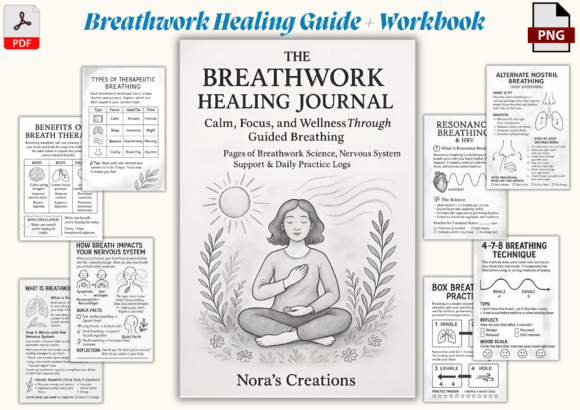
For those experiencing acute distress or flashbacks, grounding techniques are essential in bringing immediate relief. The Resilience Workbook Trauma Recovery includes a variety of grounding exercises, such as box breathing, 4-7-8 breathwork, and mindfulness prompts. These techniques are designed to anchor users in the present moment and reduce the intensity of overwhelming emotions.
Sensory tracking pages encourage users to engage with their five senses, which can be a powerful way to shift focus away from traumatic memories. By incorporating these grounding practices into daily routines, individuals can build resilience and create a sense of safety and stability in their lives.
Self-Compassion Practices for Healing
Healing from trauma is not just about managing symptoms; it's also about cultivating self-compassion. The Resilience Workbook Trauma Recovery emphasizes the importance of self-kindness through daily check-ins, affirmations, and inner child letters. These exercises help users develop a compassionate relationship with themselves, fostering a supportive internal environment that encourages growth and recovery.
Inner child letters, in particular, provide a safe space for individuals to express unmet needs and heal old wounds. By addressing these deeper emotional layers, users can begin to rebuild trust in themselves and others, paving the way for lasting healing.
Therapy-Inspired Worksheets for Structured Support
As a therapy-inspired resource, The Resilience Workbook Trauma Recovery includes a variety of worksheets that support structured self-exploration. Trauma timeline pages allow users to map out their experiences in a safe and controlled manner, helping to identify patterns and gain clarity. Trigger tracking logs enable users to recognize and understand what may provoke distress, allowing for proactive coping strategies.
Somatic awareness pages are another valuable component of the workbook. These pages encourage users to explore bodily sensations and connect them with emotional states, promoting a deeper understanding of the mind-body connection. By integrating somatic awareness into their healing journey, individuals can develop a more holistic approach to recovery.
Growth-Focused Pages for Long-Term Healing
While the workbook addresses immediate needs, it also supports long-term healing through growth-focused pages. Healing goals trackers help users set achievable objectives and monitor progress over time. Milestone celebrations are included to acknowledge and reinforce positive changes, fostering motivation and confidence.
A crisis plan and support map are essential components for individuals who may need additional assistance during challenging times. These resources ensure that users have a clear plan in place and know who to turn to when needed. By preparing for potential setbacks, users can maintain a sense of control and security throughout their healing journey.
Who Benefits from The Resilience Workbook?
The Resilience Workbook Trauma Recovery is designed for a wide range of users, including therapists, coaches, and mental health professionals who seek a reliable tool for their clients. It is also beneficial for trauma survivors and those interested in inner child healing, offering a safe and structured environment for self-exploration.
Journaling lovers and self-care enthusiasts will find value in the workbook's emphasis on reflection and emotional expression. Additionally, creative workbook sellers and digital product creators can leverage the editable format to customize the content for their own offerings, expanding its reach and utility.
Practical Applications and Real-World Relevance
The practical nature of The Resilience Workbook Trauma Recovery ensures that it remains relevant in real-world settings. For example, therapists can use the worksheets as part of their sessions, providing clients with tangible tools to apply outside of therapy. Coaches can incorporate the workbook into their programs, supporting clients in achieving their personal and professional goals.
Individuals working on self-care can benefit from the workbook's emphasis on mindfulness and emotional regulation. By integrating these practices into their daily routines, users can cultivate a greater sense of balance and well-being. Moreover, the workbook's adaptability makes it suitable for both personal and group settings, enhancing its versatility and impact.
Considerations for Effective Use
To maximize the benefits of The Resilience Workbook Trauma Recovery, users should consider several factors. First, consistency is key—regular engagement with the workbook's exercises will yield the most significant results. Second, users should be mindful of their emotional state and take breaks if they feel overwhelmed.
It is also important to recognize that healing is a nonlinear process. Some days may be easier than others, and that is completely normal. By approaching the workbook with patience and self-compassion, users can navigate the challenges of trauma recovery with greater ease and resilience.
Finally, while the workbook is a valuable resource, it should not replace professional guidance. Individuals with severe trauma symptoms should consult with a licensed mental health professional to ensure they receive the appropriate care and support.